01
Upgrading
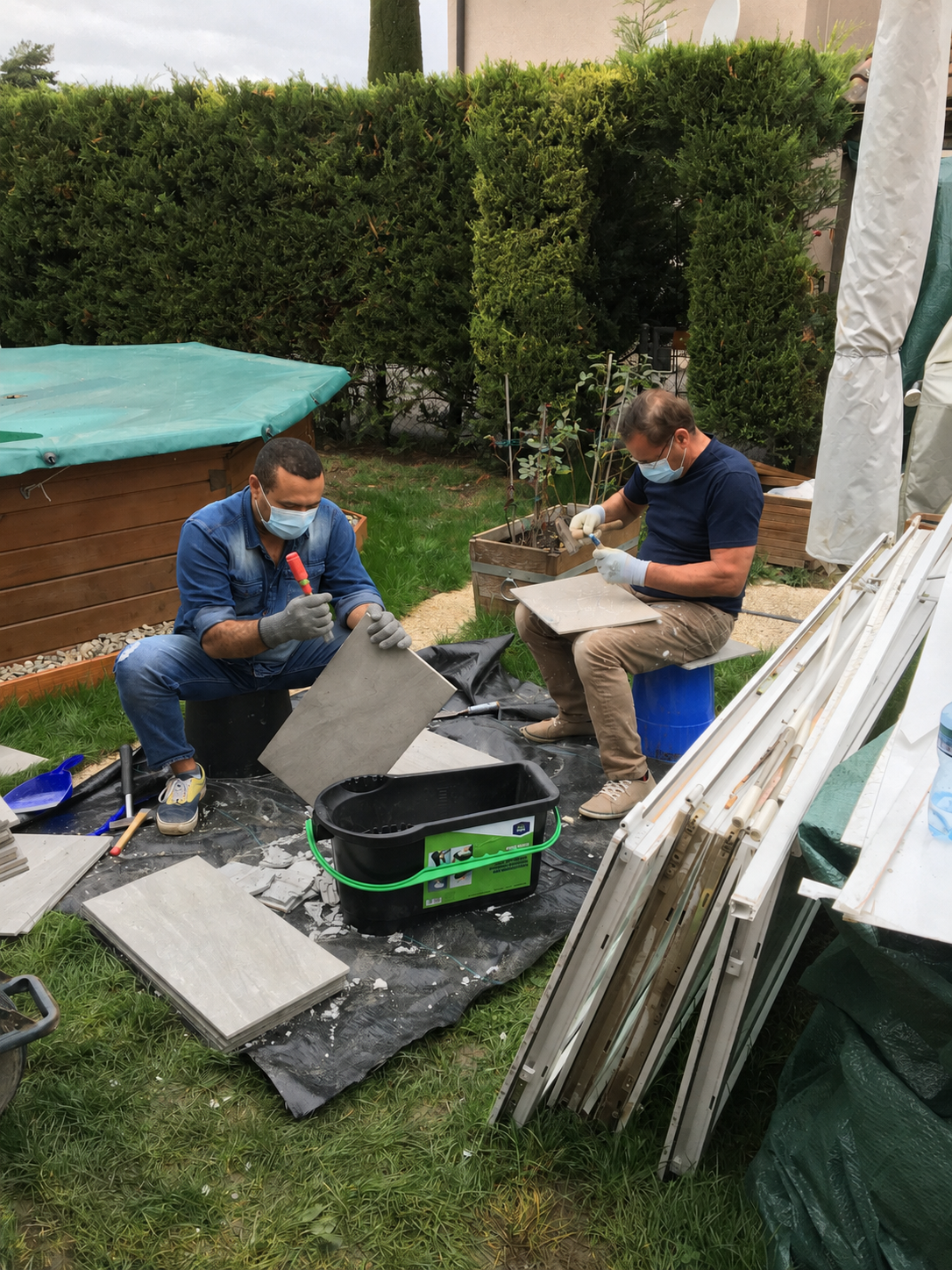
Read the existing building and define priorities proportionate to its use.
BAU LÜTZ
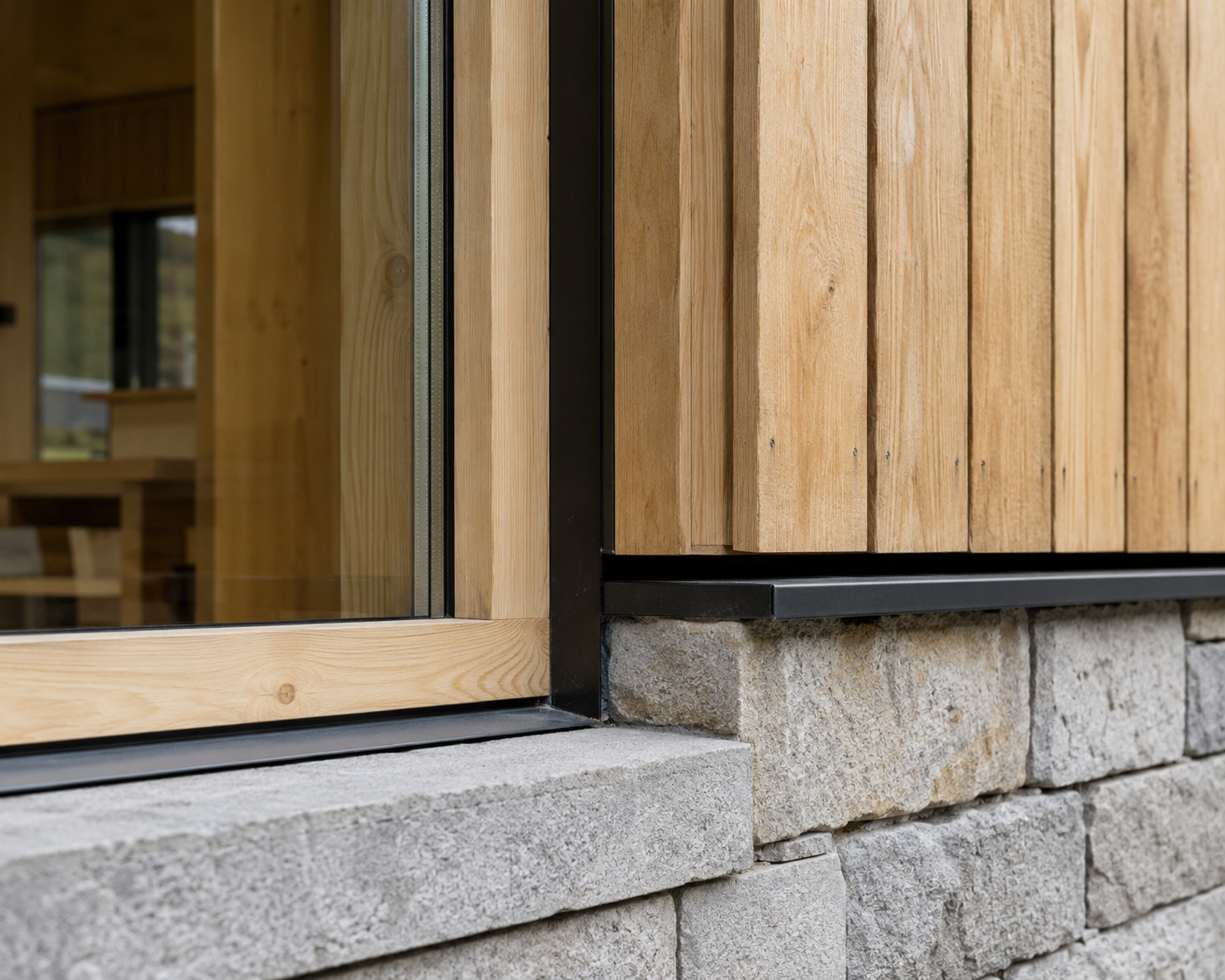
ECOLOGICAL CONSTRUCTION Building well means making decisions last.Bau Lütz integrates materials, energy, comfort, construction details, contractors, and quality control. The aim is to turn design choices into achievable, legible solutions that remain coherent with the life of the building. |
TYPES OF INTERVENTION
01 UpgradingRead the existing building and define priorities proportionate to its use. | 02 Renewal of spacesReorganise functions, comfort, and relationships without losing what has value. | 03 Envelope and extensionsIntegrate performance, details, and new parts coherently and verifiably. | 04 Landscape and accessConnect building, routes, ground, and outdoor spaces as a single system. |
For every appointment, activities and responsibilities are defined in the scope.
FROM SURVEY TO HANDOVER The building site is a process, not a parenthesis.Survey, diagnosis, priorities, technical definition, scheduling, coordination, checks, variations, and handover documentation form a real process. Every step clarifies what must be carried out, who is responsible, and how quality is verified. HOW WE INTEGRATE CLIMATE, MATERIAL, AND THE LIFE OF THE BUILDING → |
OPERATIONAL PATH
01 Survey and diagnosisConditions, critical issues, and available data are made legible. | 02 PrioritiesObjectives, risks, and dependencies establish the order of decisions. | 03 Technical developmentMaterials, junctions, and performance are translated into executable solutions. | 04 SchedulingPhases, stakeholders, and necessary information are coordinated. |
05 ExecutionContractors and craftspeople work from explicit documents and responsibilities. | 06 ControlQuality, variations, and non-conformities remain traceable. | 07 HandoverDrawings, checks, and information useful for management are organised. | 08 MaintenanceDurability and the possibility of care guide choices from the outset. |
MATERIALS AND COMFORT
Health, origin, compatibility, moisture behavior, service life, maintenance, comfort, light and supply chain are compared in the real context.
Compatible materialPerformance and provenance only make sense in relation to the building, climate, and use. | Verifiable comfortLight, air, temperature, acoustics, and humidity require coordinated choices, not isolated solutions. | Durability and careAccessible details, feasible maintenance, and clear responsibilities build durability. |
COORDINATION AND CONTROL
01 RolesResponsibilities and stakeholders are defined within the scope actually entrusted. | 02 ProgrammeDecisions and information are connected to the operational phases. | 03 ContractorsExpertise, availability, and contractual responsibilities remain explicit. |
04 VariationsEvery change is assessed for its consequences, timing, and quality. | 05 ChecksChecks are proportionate to the appointment and the risks of the intervention. | 06 DocumentationSources, revisions, and handovers keep the process traceable. |
Upgrading existing buildings, renewing spaces, improving the envelope, creating extensions, and connecting architecture with the landscape. For every engagement, activities and responsibilities are defined in the mandate.
Survey, diagnosis, priorities, technical definition, scheduling, coordination, checks, variations, and handover documentation form a real pathway for work on existing buildings.
Health, origin, compatibility, moisture behavior, service life, maintenance, comfort, light and supply chain are compared in the real context.
Roles, program, decisions, variations, quality, communication and documents are coordinated within the actual scope entrusted.
RELATED INTERVENTIONS
Meyrin and Genthod are presented as COMPLETED INTERVENTIONS. The public project sheets remain concise until photographs, technical data, credits, and privacy permissions are ready for release.
For an initial review, please indicate the location, type of property, status of the work, and principal issues.